
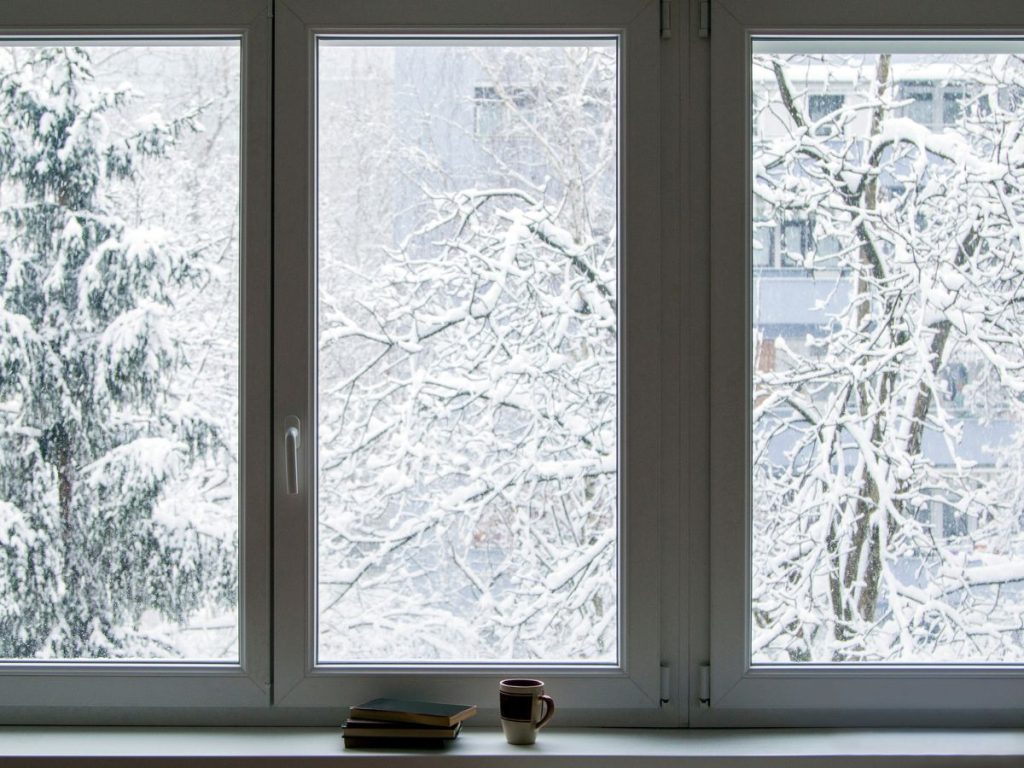
Canadian winters can also prove to be harsh for homes. The freezing temperatures, wind, and accumulated layers of snow put additional pressure particularly on windows and doors, which are some of the most vulnerable elements of your home.
Notice things like sticking doors, drafts in rooms, condensation on windows, or an increase in heating bills. A good understanding of winter conditions and their effects on windows and doors in houses could mean catching issues before they cause substantial damage to your home.
How Cold Temperatures Affect Materials
All construction materials react to temperature changes. In winter, extreme cold causes materials to contract. When temperatures fluctuate repeatedly, this movement can weaken seals, shift frames, and reduce insulation performance.
Older homes are particularly vulnerable. Wooden doors and frames may shrink in cold conditions, leading to gaps, misalignment, or sticking. Aluminum frames without thermal breaks can transfer cold directly into the home. Even some lower quality vinyl products may lose flexibility in a severe cold.
Small changes in material dimensions can have noticeable effects. Gaps as small as a few millimeters are enough to allow cold air inside and warm air out, reducing comfort and efficiency.
Preventive steps
- Inspect windows and doors before winter begins
- Look for cracked caulking, worn weather stripping, or visible gaps
- Address minor issues promptly to prevent further deterioration
Modern materials engineered for cold climates are better equipped to maintain stability and performance during extreme weather.
Drafts and Heat Loss in Winter
Drafts are among the most common winter complaints and one of the primary causes of heat loss. Air leaks around windows and doors allow cold outdoor air to enter while heated indoor air escapes.
This constant exchange forces heating systems to run longer and harder, increasing energy consumption and utility costs. Drafts also create uneven temperatures, making some rooms uncomfortable even when the thermostat is set high.
Common causes of drafts include:
- Worn or compressed weather stripping
- Poor sealing around frames
- Misaligned doors or windows
- Outdated products lacking modern sealing systems
How to detect drafts
A simple test involves holding a candle or incense stick near the window and door edges on a windy day. If the flame flickers or smoke shifts noticeably, air leakage is present. Sealing gaps and improving insulation around openings can significantly reduce heat loss and improve indoor comfort during winter.
Condensation and Moisture Issues
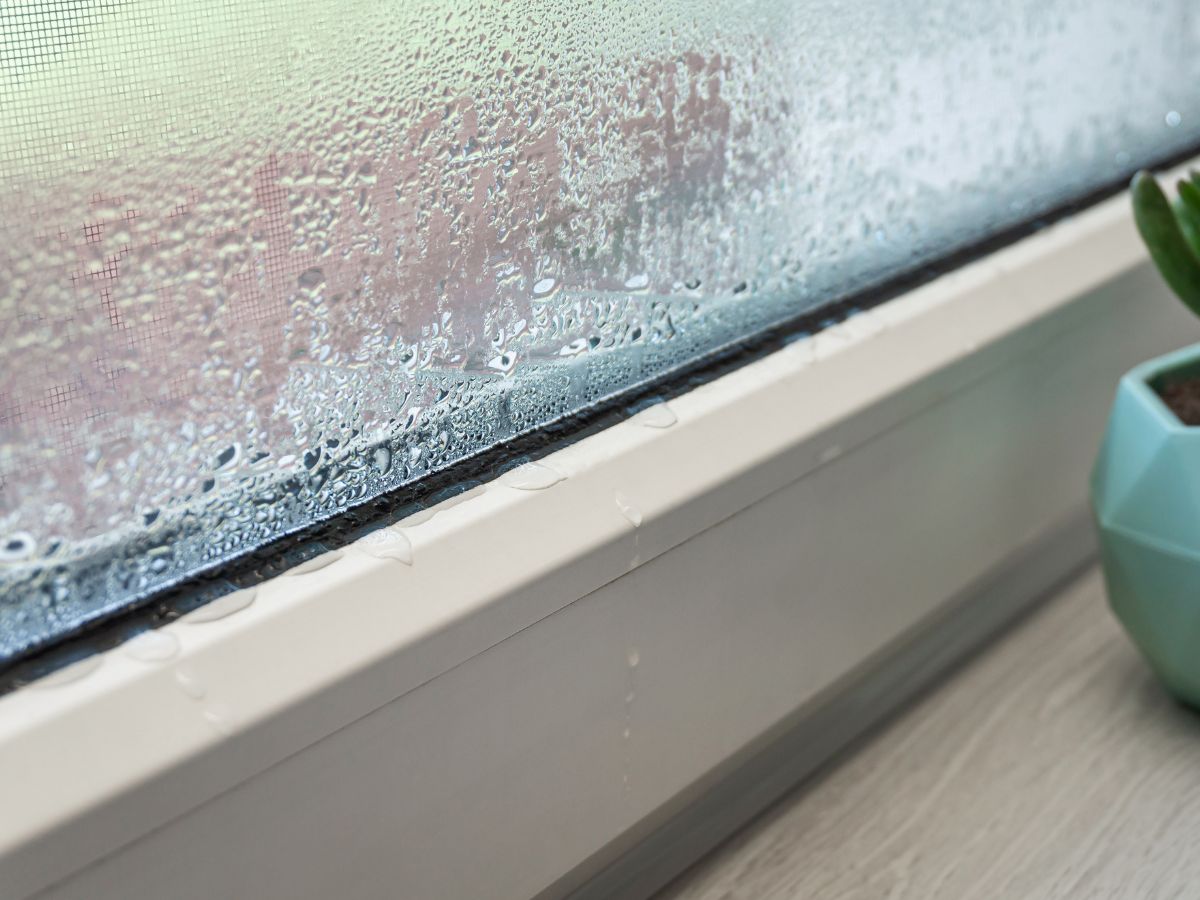
Window condensation forms when warm indoor air comes into contact with cold surfaces such as window glass or frames. A small amount of condensation during extreme cold is normal, but persistent moisture or fogging between panes indicates a problem.
Excess moisture can lead to:
- Mold and mildew growth
- Damage to window sills and surrounding walls
- Rotting wood components
- Peeling paint and deteriorating finishes
Fogging between panes often signals seal failure in insulated glass units. When this occurs, the window loses much of its insulating value and allows moisture to enter.
Reducing condensation
- Maintain indoor humidity levels between 30 and 40 percent
- Use exhaust fans in kitchens, bathrooms, and laundry rooms
- Ensure proper airflow throughout the home
- Upgrade to energy efficient windows with insulated glass and advanced coatings
Effective moisture control protects both indoor air quality and the long-term condition of your home.
Frozen Locks and Door Hardware
Winter affects more than just frames and glass. Door hardware such as locks, hinges, and handles is also exposed to cold temperatures and moisture. When moisture enters these components, it can freeze, causing stiffness or complete failure.
Frozen locks are not only inconvenient but can pose safety concerns if doors cannot be opened easily. Forcing frozen hardware can lead to broken components or damage to the door itself.
Hardware maintenance tips
- Apply silicone based lubricant to locks and hinges before winter
- Avoid oil based products that attract dirt and thicken in cold temperatures
- Test door operation regularly during the season
If a door begins to stick or hardware becomes difficult to operate, addressing the issue early can prevent more serious damage.
Snow and Ice Around Windows and Doors
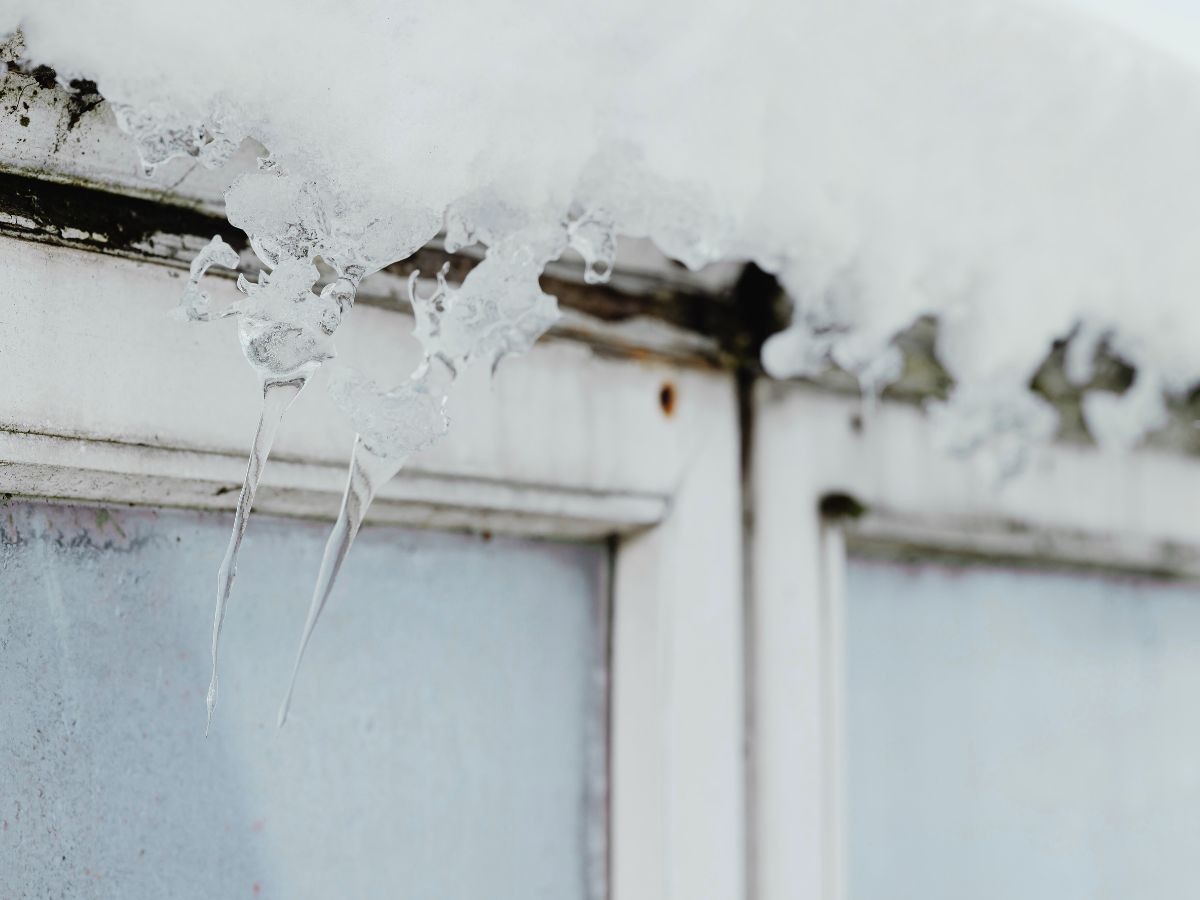
Snow and ice buildup can place significant stress on windows and doors. Heavy snow can press against frames, while ice can block drainage systems and trap moisture.
As snow melts and refreezes, water can be pushed into small cracks or gaps. Over time, this moisture exposure can lead to:
- Water infiltration
- Seal deterioration
- Frame damage
- Interior wall and floor issues
Patio doors and ground level windows are especially vulnerable due to their location and exposure.
Preventive measures
- Clear snow away from doorways, patios, and window sills
- Keep window drainage openings free of ice and debris
- Ensure proper grading around the home so water drains away
- Consider additional protection such as storm doors or overhangs
Regular maintenance during winter can help prevent costly repairs in the future.
Choosing Windows and Doors for Harsh Winters
Not all windows and doors are designed to handle extreme cold. Products made for mild climates may struggle in Canadian winter conditions. Selecting the right materials and construction is essential for long-term performance.
Key features to consider
- Strong insulation ratings such as low U-factor values
- Frames that resist warping, cracking, and shrinking
- High quality weather stripping and tight seals
- Energy efficient glass with insulating spacers and coatings
Benefits of insulated steel doors
Insulated steel doors perform well in winter due to their strength, durability, and thermal efficiency. They resist warping, minimize drafts, and require minimal maintenance while providing enhanced security.
Choosing winter ready products improves comfort, reduces energy costs, and extends the lifespan of your home’s exterior components.
The Role of Proper Installation
Even high quality windows and doors will underperform if they are not installed correctly. Poor installation can lead to air leaks, water infiltration, and reduced insulation effectiveness.
Professional installation ensures:
- Proper alignment and sealing
- Adequate insulation around frames
- Compliance with building standards
- Long-term durability and warranty protection
Correct installation is just as important as the product itself when preparing a home for winter.
Preparing Your Home for Winter
Winter comfort depends on attention to detail, proper maintenance, and informed choices. Addressing small issues early, managing moisture, and selecting products designed for cold climates can significantly improve your home’s performance during winter.
When it’s time to replace or upgrade your windows and doors, it’s essential to choose a company that has knowledge and experience in managing harsh Canadian winters. ALDA Windows & Doors can provide you with quality windows and doors that are perfect for harsh cold climates.
Winter-ready starts with the right glass. See our full lineup of energy-efficient vinyl windows and find the fit for your climate.